Living Together: Why Shared Flats Are the New Norm for Young Adults
Living in a shared flat, known as a WG in local lingo, used to be seen purely as a budget-friendly choice for students. Today, it’s becoming a deliberate lifestyle. Many young adults (and plenty of expats) in Switzerland are opting for shared living not just out of necessity, but because it aligns with their values. A shared flat offers built-in human connection, financial and personal flexibility, a smaller environmental footprint, and a supportive home life. In short, the new generation is embracing WGs as a way to live better, together.



Finding Flats? Try Flatable
A Generational Shift in Housing Attitudes
There’s a noticeable generational shift in how young people view housing. For our parents’ generation, the ideal was often to get a place of one’s own as soon as possible. But many Millennials and Gen Z folks have a different perspective. They’re increasingly choosing to live with roommates, even when they could afford to live solo. Why? Because shared living isn’t seen as a compromise, it’s a lifestyle choice that resonates with their priorities. Surveys show that three out of four Millennials and Gen Z rank quality of life and mental well-being as top priorities when deciding where to live. They care about community, experiences, and values more than having a big private space or owning property. In fact, this trend is pretty visible in Switzerland: about one in ten people in Zurich lives in a shared apartment, a statistic that underscores how common WGs have become among young city-dwellers. This reflects what analysts call a profound shift. younger generations are focusing on the overall living experience rather than the old notion of “house = success”. Rising rents and housing shortages play a role in this shift, but it’s not just about economics. It’s also about choosing community and flexibility over tradition.
Community and Human Connection
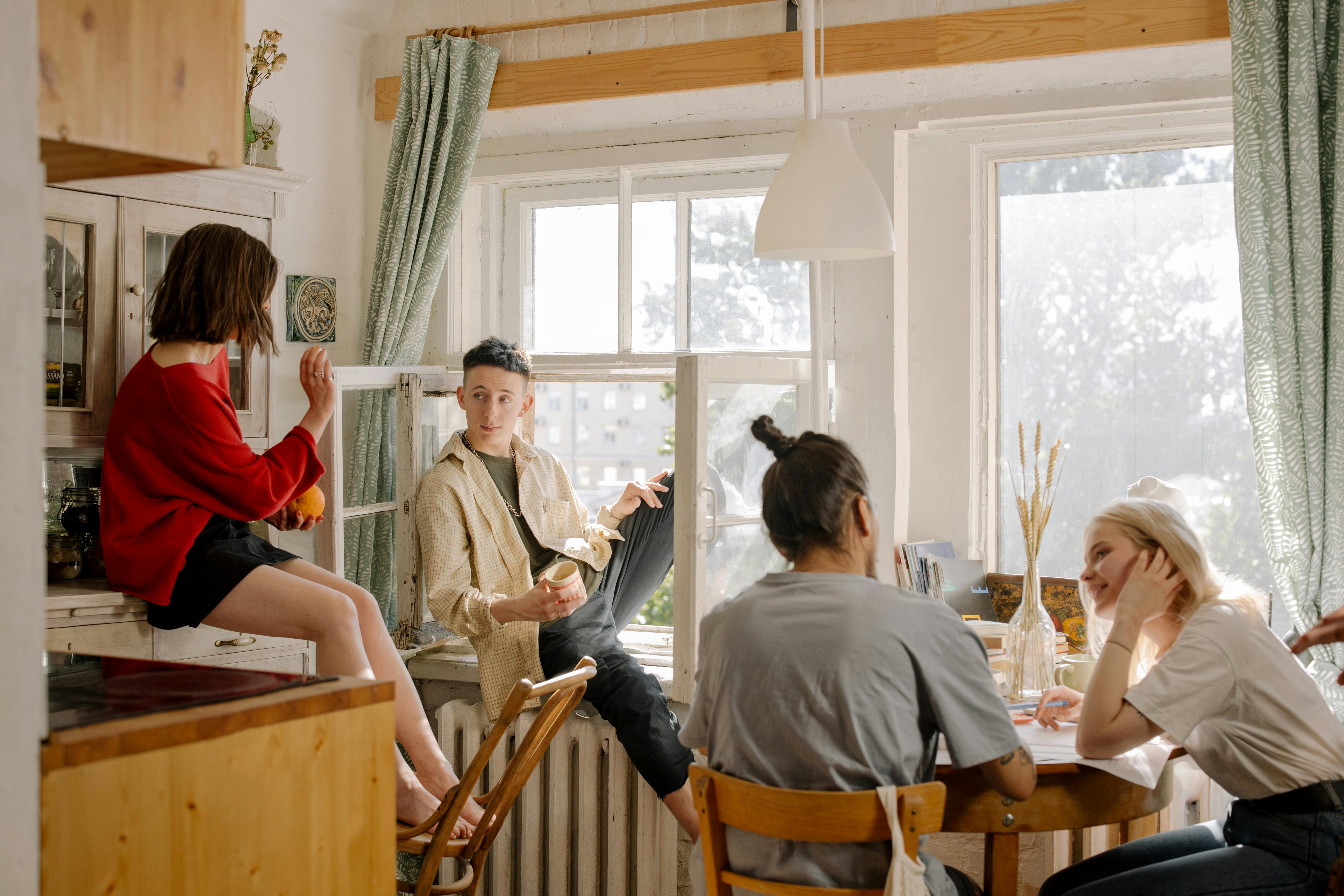
One of the biggest draws of WG life is the instant community it provides. Living with others means there’s always someone to chat with in the kitchen, to unwind with after a long day, or to binge-watch the latest series with. For a generation often dubbed “the loneliest” despite all our social media, having real face-to-face companionship at home is priceless. Shared living creates a sense of family away from family. It’s no wonder that 85% of co-living residents say the camaraderie and sense of community are key benefits of their housing choice. Daily life becomes more social – impromptu dinners, group outings, even just joking around while doing chores. Instead of coming home to an empty apartment, you come home to friends.
Living together also means built-in support. Whether it’s sharing good news or venting about a tough day at work, your flatmates often become a reliable support system. Younger people especially value this sense of belonging. In fact, studies find Millennials and Gen Z are far more likely than older generations to feel connected to peers with shared experiences, and for them shared living isn’t just about having roommates.Iit’s a way to feel grounded in an ever-changing world. A WG turns a mere housing arrangement into a place of friendship, collaboration, and meaningful connection.
"Co-living is not just about splitting the rent – it's about community." – Forbes
Financial Perks and Flexibility
Of course, we can’t ignore the practical side: money. Switzerland’s city rents are famously high, and for students or young professionals early in their careers, renting alone in Zurich or Geneva can be crazy expensive. Shared flats offer a welcome relief. By splitting the rent and utilities among several people, everyone’s cost drops significantly.
By some estimates, living in a shared space can cut housing costs by up to 40% for each person.
Think about all the francs that frees up! Flatmates often share not just rent, but also groceries, streaming subscriptions, or the cost of common furniture, which further eases the strain on the wallet. Plus, many WGs come semi-furnished or with hand-me-down appliances, so you don’t have to shell out for a couch, fridge, and Wi-Fi router on day one. For young adults trying to budget or pay off loans, these savings are a game-changer.
Financial flexibility isn’t only about saving money, it’s also about lifestyle flexibility. Traditional leases can be strict (12-month minimums, stiff penalties for leaving early, etc.), which doesn’t always suit a generation that’s hopping between internships, jobs in new cities, or extended travel plans. Shared living tends to be more adaptable. It’s often easier to find a replacement tenant for your room or sublet for a few months, which means you’re less tied down. Some co-living setups even offer month-to-month arrangements. This flexibility is increasingly in demand: the old days of “one-year lease, then maybe buy a house” are fading as young people seek housing that can adapt to their fast-paced, ever-changing lives. In a WG, if you get a job in another city or decide to go backpacking for two months, you have options, swap out with someone, or find a new flatmate, without breaking the bank. For digital nomads and expats, shared flats are often the easiest way to land on your feet in a new place with minimal hassle and up-front cost. Overall, the WG lifestyle offers a financial safety net and freedom that let you spend more on living your life, not just paying for a roof.
Sustainable, Sharing-Based Living
Today’s young adults are also very tuned into sustainability and mindful living. Many grew up amid conversations about climate change and resource waste, and they genuinely want to live in a way that’s gentler on the planet. Shared flats naturally support that goal. When you live together, you share resources and that means less overall consumption and waste. Think about it: instead of four separate apartments each blasting heating and AC, you have one shared space to keep warm. Instead of each roommate buying their own set of appliances, you share one fridge, one TV, one vacuum cleaner. This consolidation can significantly reduce energy use and household waste. (Your utility bills will thank you, too!) Young people recognize this advantage; a majority of Gen Z (and millennials) consciously try to reduce waste at home, so having roommates to split and reuse things comes naturally.
WGs can also encourage greener habits in day-to-day life. It’s easier to recycle properly when everyone’s on board sorting trash together, or to cook a big meal together rather than getting individual takeout meals (less packaging waste!). Some modern co-living communities even have eco-friendly features like communal gardens or solar panels, but even in a regular shared flat, you’re inherently leaving a smaller footprint per person than living alone. Sustainability is a team sport, and sharing housing is like being on the same team. For a generation that cares about climate action, this is a huge plus. As one commentary noted, the pandemic only strengthened Gen Z’s eco-conscious mindset and now Gen Z is in the driver’s seat of a sustainability revolution. Living together is one way they’re putting those principles into practice in everyday life.
Well-Being and Support at Home
Mental health and well-being have (thankfully) become central considerations for young people when choosing how and where to live. Life is full of stresses: demanding studies, competitive job markets, the constant buzz of social media. So home needs to be a place where you can relax and recharge. Shared living can significantly boost well-being compared to living alone. Why? For starters, it eases loneliness and isolation, which are known risk factors for anxiety and depression. In a WG, there’s usually someone around to talk to or even just sit with, which can be incredibly comforting. Little moments, like having a cup of tea with a flatmate or getting a happy birthday surprise from them, can go a long way for emotional health. During the peak of the COVID-19 pandemic, many people realized how much they craved human contact; those living in shared homes often fared better emotionally than those completely alone, because they had a micro-community under the same roof.
Moreover, living with others can reduce everyday stress. You can divide up chores so no one person is overwhelmed. Maybe you genuinely enjoy cooking, while your flatmate doesn’t mind handling the laundry, and another is a pro at dealing with the internet company. Teamwork makes domestic life easier. In many co-living arrangements, even more is taken care of (cleaning services, maintenance), but even in a casual roommate setup, you have partners to help shoulder the load or cover when you’re swamped. This kind of support makes a difference. Research has noted that Gen Z is reporting higher rates of burnout and anxiety, and having a built-in community at home can make a big positive impact. Unlike a silent studio apartment, a shared flat naturally fosters interaction. From sharing a meal or venting about a tough day, to simply knowing someone is there if you need them. This sense of community and belonging in your living space contributes to better mental well-being. In a WG, your roommates often become friends who look out for you, celebrate your wins, and notice if you’re feeling down. It’s an environment of mutual care.
Finally, shared living can just make life more fun, which is a mental health boost in itself! Impromptu game nights, group walks to the gelato shop, learning about different cultures or recipes from international flatmates… these experiences enrich your life and create lasting memories. Younger generations place a high value on experiences and connections, and a WG is a perfect venue for both. It transforms “housing” into something more: a community, a support network, and a source of daily joy.
In Summary: A Lifestyle Aligned with New Values
The rise of shared flats among young adults isn’t just because rent is high (though let’s be honest, that’s a big factor). It’s happening because living with others offers a quality of life that single living often can’t match. Many students, young professionals, and expats are choosing WGs as a way to have richer social lives, more flexibility in where and how they live, and a chance to live according to principles like sharing and sustainability. This housing model resonates with modern values: community over isolation, experiences over possessions, and collaboration over going it alone. As a result, what used to be seen as a temporary stopgap or “second-best” option has become a popular and even preferred way to live. The generational attitude shift is clear, for a lot of under-35s, a dream living situation isn’t the white-picket-fence suburbia of the past, but a friendly shared apartment in the city. And as long as WGs continue to provide connection, convenience, and affordability, it’s a trend that’s likely here to stay. Living together is not just an arrangement; it’s a lifestyle where everyone involved can thrive. 🎉
Recent Articles
How to Find a Shared Apartment (WG) in Zurich: 7 Essential Tips for Students & Expats
Hunting for housing in Zurich? If you’ve already heard horror stories, don’t panic – yes, the struggle is real, but thousands of newcomers do find a place each year, and so will you. One of the best options for students and young expats is to join a Wohngemeinschaft (WG), a shared apartment. It’s often more affordable than renting a solo flat and comes with instant community (built-in friends/roommates!). However, finding a WG room in Zurich’s competitive market can feel like a part-time job. Fear not: we’ve compiled 7 essential tips to help you navigate the search like a pro. From where to look, to how to stand out as the perfect roommate, these pointers will boost your chances of landing that great room in a great flat-share. Let’s dive in!
Read More
Zurich Living 101: Thriving as a Student or Expat in Switzerland’s Priciest City
Welcome to Zurich – the land of picturesque lake views, impeccably on-time trams, and, let’s be honest, eye-watering prices. 😅 As a student or young professional new to the city, you might be equal parts dazzled by its beauty and horrified by the cost of a cup of coffee. Fear not! Zurich consistently ranks among the world’s most expensive cities, but it also ranks as one of the best in quality of life – and there are plenty of ways to enjoy that quality without going broke. In this casual guide, we’ll cover everything from saving on housing and groceries to finding fun on a budget, all while adjusting to Swiss life. Grab a Güx (Swiss slang for a peek) at these tips and soon you’ll be living your best Zurich life, wallet-friendly style.
Read More
Flatable Guide: Finding Your Perfect Roommate in Switzerland
Finding a roommate in Switzerland used to mean endless scrolling through listings, awkward emails, and plenty of ghosted messages. Not anymore! Flatable is here to shake up the shared housing scene, making it as easy as swiping right on a dating app – literally. In this guide, we’ll walk you through using Flatable step by step. Whether you’re a student hunting for a room in Zurich or a landlord looking to fill a spare bedroom in Geneva, Flatable streamlines the process with smart matching, built-in chat, and even automatic viewings booking system. Ready to find your perfect flatmate? Let’s get started!
Read More
Find your new home on Flatable.