Moving to Switzerland in 2027? Here's What You Need to Know
Planning to move to Switzerland in 2027? From residence permits and finding a place to live to health insurance and everyday expenses, here's what you should know before starting your new chapter.



Finding Flats? Try Flatable
Moving to Switzerland in 2027? Here's What You Need to Know
Got accepted to a Swiss university? Starting your PhD at ETH Zurich or EPFL? Or maybe you've just landed an exciting job offer and are getting ready to relocate? First of all, congratulations! Moving to Switzerland is a pretty exciting next step. But between finding somewhere to live, figuring out residence permits and wondering how much money you'll actually need, there's quite a bit to organize before you arrive. Whether you're moving from another European country or halfway across the world, here's a practical guide to making your move to Switzerland in 2027 a little easier.
Before You Move: Get Your Paperwork Sorted
Let's start with the less exciting part. Depending on your nationality and whether you're coming to study, conduct research or work, the requirements for moving to Switzerland can look quite different. If you're an EU/EFTA citizen, moving is generally more straightforward. For stays longer than three months, you'll typically need to register and obtain the appropriate residence permit. If you're coming from outside the EU/EFTA, you may need a visa before arriving, and the requirements depend on your situation.
For international students, your university will often provide information about visa applications, residence permits and the documents you'll need. If you're starting a PhD, it's worth checking whether your position is classified as employment or study, since this can affect the process. And if you're relocating for work, your employer may be able to help with the necessary paperwork. Our advice? Don't leave this until the last minute. Check the official requirements through the State Secretariat for Migration and contact your university or employer if you're unsure about anything.
Finding Your First Home in Switzerland
Here's something you should know before you start scrolling through apartment listings: finding housing in Switzerland can be competitive, especially in cities like Zurich, Geneva and Lausanne. And when you're searching from abroad, things get even trickier. You might not be able to attend viewings in person, you probably don't know the neighborhoods yet, and figuring out which listings are legitimate can feel overwhelming.
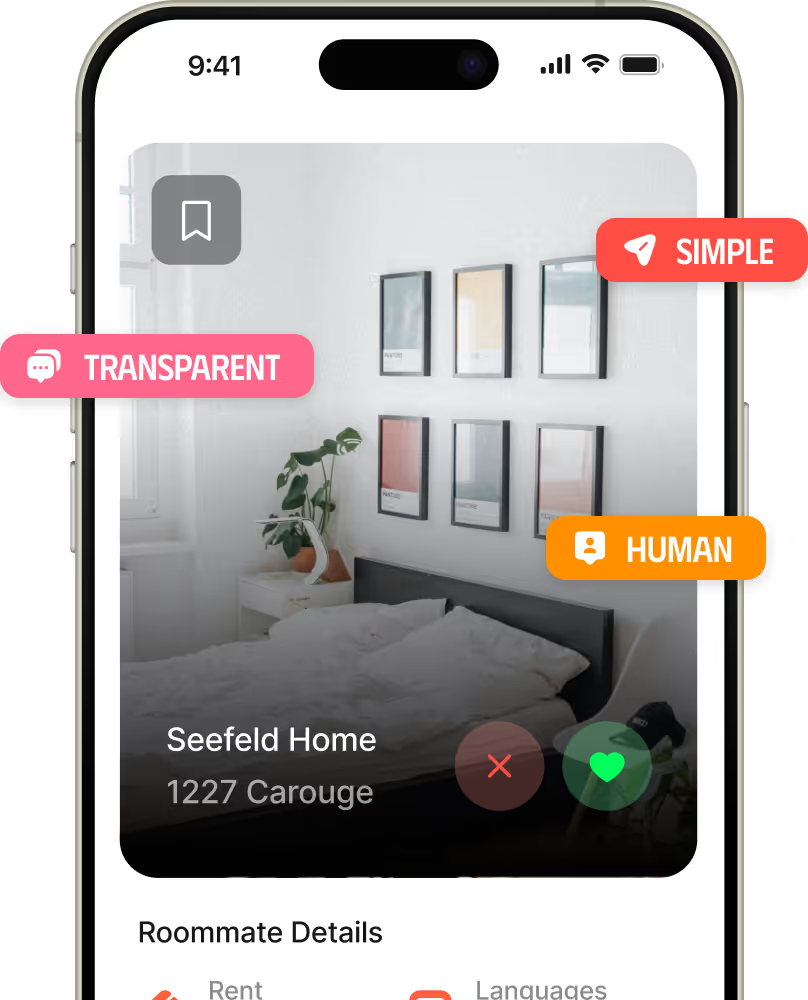
That's why shared living can be a great starting point. Renting a room is often more affordable than getting an apartment on your own, and you might find a furnished place where you can settle in without buying everything from scratch. But there's another advantage, especially when you're new to the country: the people. Whether you're an international student, a PhD researcher or a young professional, living with flatmates can make those first few months feel a lot less lonely. At Flatable, we help people discover available rooms and connect with potential flatmates based on more than just their housing preferences. Because finding people you actually get along with can make a huge difference when you're starting somewhere new. Explore available rooms on Flatable and see who you might be sharing your Swiss chapter with.
How Much Money Do You Actually Need?
Let's address the elephant in the room: Switzerland is expensive. But before you panic, remember that your monthly expenses will depend heavily on where you live, your housing situation and your lifestyle.
As a rough starting point for planning your 2027 budget, you might expect to spend CHF 800–1,300 on a room in a shared apartment, CHF 300–500 on groceries, CHF 250–450 on basic health insurance, CHF 50–120 on local public transport and another CHF 200–400 on personal expenses and leisure. That adds up to approximately CHF 1,600–2,800 per month, before taxes, tuition fees and other individual expenses. These are illustrative planning ranges rather than confirmed 2027 prices. Your actual costs could be higher or lower depending on your canton, age, insurance situation and personal circumstances.
If you're coming for a bachelor's or master's degree, make sure to check your university's estimated student budget and any financial requirements for your residence permit. If you're starting a PhD, find out whether you'll receive a salary or stipend and what that means for your insurance and living expenses. And if you're relocating for a job, don't just look at the salary on your contract. Compare it with the cost of living in your destination city. A salary that sounds amazing back home might feel very different once you've paid your Swiss rent and health insurance. One last thing: remember to budget for your rental deposit, moving expenses and initial setup costs. Those first weeks can be surprisingly expensive.
Choosing the Right City and Neighborhood
Zurich, Lausanne, Geneva, Basel, Bern: Switzerland might be a relatively small country, but where you choose to live can make a big difference to your everyday life. If you're studying or conducting research, proximity to campus is worth considering. ETH Zurich has locations across the city, while EPFL and UNIL are situated west of central Lausanne. Depending on your university, living outside the city center could actually make your commute easier.
For young professionals, it might be worth looking beyond the most popular neighborhoods. Swiss public transport is well connected, so living a few stops outside the city center doesn't necessarily mean sacrificing convenience. And don't forget about the social side. Would you rather live somewhere lively, surrounded by cafés and restaurants? Or do you prefer a quieter neighborhood where you can unwind after a long day in the lab or at the office? Our advice? Check your commute, compare housing prices and think about the kind of everyday life you actually want before choosing where to live.
Your First Weeks: Registration and Health Insurance
Once you've arrived, there are a few important things to take care of. Depending on your residence status and reason for moving, you'll need to register with your local municipality. People moving to Switzerland for employment generally need to register within 14 days of arrival and before starting work. Students should check the registration requirements that apply to their situation.
Then there's health insurance. Most people taking up residence in Switzerland must arrange compulsory basic health insurance within three months, unless an exemption applies. International students may qualify for an exemption under certain conditions, particularly if they have equivalent insurance coverage. If you're employed as a PhD researcher, your situation may be different from that of a student without an employment contract. Your university's international office or your employer's HR department can be useful contacts here. For comparing Swiss health insurance options, you can also use the official Priminfo website.
Getting Around and Navigating Everyday Life
Good news: you probably won't need a car to get started. Switzerland has an extensive public transport network, and trains, trams and buses make commuting between cities and neighborhoods relatively convenient. If you're traveling regularly, look into local transport subscriptions, student discounts where available and the SBB Half Fare Travelcard. Choosing the right option can make a noticeable difference to your monthly expenses.
Then there's the language. Depending on where you're moving, you'll hear German, French or Italian in everyday life. English is widely used in many international university and professional environments, but that doesn't mean everything outside campus or the office will be in English. Learning a few phrases in the local language can go a long way. Even if it's just enough to order a coffee, ask for directions or survive your first conversation with the neighbors. And yes, you'll probably discover a few Swiss habits along the way. Like the fact that most supermarkets are closed on Sundays. Consider yourself warned.
Finding Your People in a New Country
Here's something that doesn't always make it into relocation checklists: moving abroad can feel lonely, even when you're genuinely excited about it. Maybe you're starting university and don't know a single person in Switzerland. Maybe you're beginning a PhD and spending most of your day surrounded by people who are just as busy as you are. Or maybe you've relocated for work and realized that making friends as an adult takes a little more effort than expected.
The good news? There are plenty of ways to meet people. University societies, sports clubs, international communities and local events are all great places to start. And don't underestimate the impact of your living situation. Sharing an apartment with people you genuinely connect with can make a new city feel familiar much faster. Whether that means cooking dinner together, exploring Switzerland on weekends or simply having someone to chat with after a long day. You don't have to build your entire social circle overnight. Give yourself time to settle in.
Your New Chapter Starts Here
Moving to Switzerland in 2027 is a big step, whether you're coming for a semester, a PhD or a long-term career opportunity. There will be paperwork, unexpected expenses and probably a few moments when you wonder why everything seems so complicated. But there will also be new experiences, new friendships and plenty of opportunities to make this chapter your own. Start planning early, give yourself a realistic budget and find a place where you can genuinely feel at home.
Still looking for your first home in Switzerland? Explore Flatable and find a room and flatmates that fit your lifestyle.
Recent Articles

How to Find Flatmates in Switzerland in 2027
Looking for flatmates in Switzerland in 2027? Discover where to find shared apartments, how to spot compatible roommates and what to ask before moving in together.
Read More
PhD Life in Switzerland 2027: Salary, Housing & Living Costs
Starting a PhD in Switzerland in 2027? From ETH Zurich and EPFL salaries to housing, monthly expenses and everyday life, here's what international doctoral students should know before making the move.
Read MoreMoving to Switzerland in 2027? Here's What You Need to Know
Planning to move to Switzerland in 2027? From residence permits and finding a place to live to health insurance and everyday expenses, here's what you should know before starting your new chapter.
Read More
Student Housing in Lausanne 2027: The complete guide
Moving to Lausanne for university in 2027? From finding a room near EPFL or UNIL to figuring out your budget and choosing the right flatmates, here's how to make your housing search a little easier.
Read More
Finding a Room in Zurich in 2027? Here's What You Should Know.
Moving to Zurich in 2027? From choosing the right neighborhood to finding flatmates you actually click with, here's what you should know before starting your room search.
Read More
How to Find a Shared Apartment (WG) in Zurich: 7 Essential Tips for Students & Expats
Hunting for housing in Zurich? If you’ve already heard horror stories, don’t panic – yes, the struggle is real, but thousands of newcomers do find a place each year, and so will you. One of the best options for students and young expats is to join a Wohngemeinschaft (WG), a shared apartment. It’s often more affordable than renting a solo flat and comes with instant community (built-in friends/roommates!). However, finding a WG room in Zurich’s competitive market can feel like a part-time job. Fear not: we’ve compiled 7 essential tips to help you navigate the search like a pro. From where to look, to how to stand out as the perfect roommate, these pointers will boost your chances of landing that great room in a great flat-share. Let’s dive in!
Read More
Zurich Living 101: Thriving as a Student or Expat in Switzerland’s Priciest City
Welcome to Zurich – the land of picturesque lake views, impeccably on-time trams, and, let’s be honest, eye-watering prices. 😅 As a student or young professional new to the city, you might be equal parts dazzled by its beauty and horrified by the cost of a cup of coffee. Fear not! Zurich consistently ranks among the world’s most expensive cities, but it also ranks as one of the best in quality of life – and there are plenty of ways to enjoy that quality without going broke. In this casual guide, we’ll cover everything from saving on housing and groceries to finding fun on a budget, all while adjusting to Swiss life. Grab a Güx (Swiss slang for a peek) at these tips and soon you’ll be living your best Zurich life, wallet-friendly style.
Read More
Flatable Guide: Finding Your Perfect Roommate in Switzerland
Finding a roommate in Switzerland used to mean endless scrolling through listings, awkward emails, and plenty of ghosted messages. Not anymore! Flatable is here to shake up the shared housing scene, making it as easy as swiping right on a dating app – literally. In this guide, we’ll walk you through using Flatable step by step. Whether you’re a student hunting for a room in Zurich or a landlord looking to fill a spare bedroom in Geneva, Flatable streamlines the process with smart matching, built-in chat, and even automatic viewings booking system. Ready to find your perfect flatmate? Let’s get started!
Read More
Find your new home on Flatable.